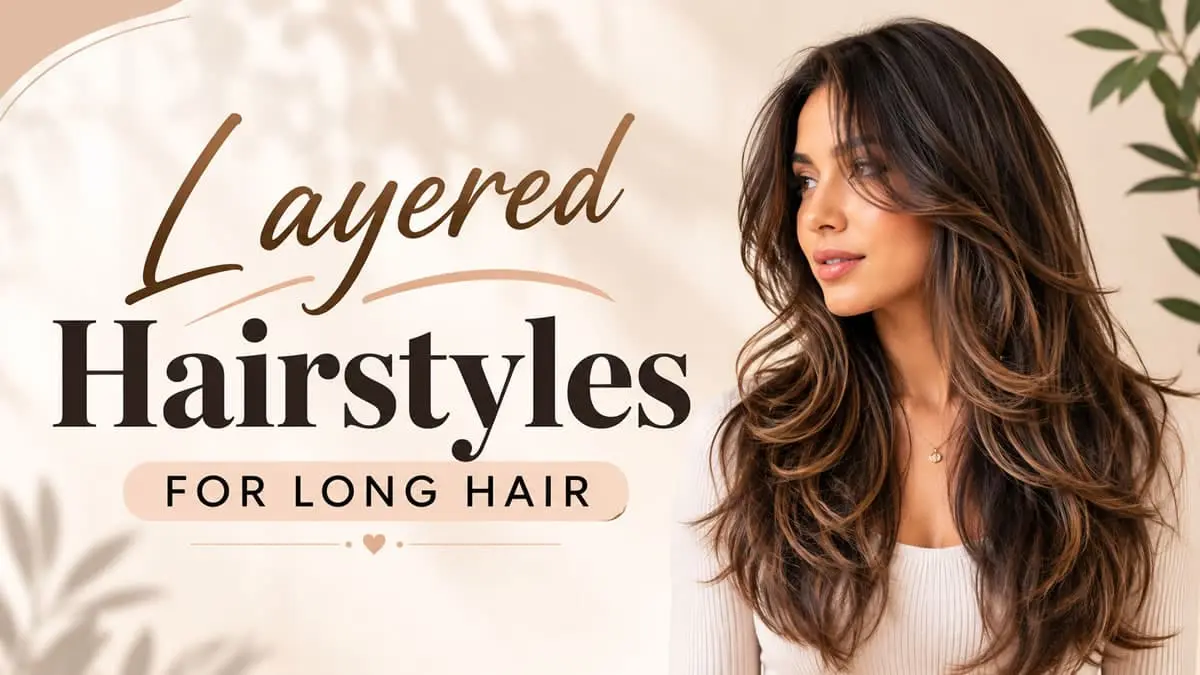
25 Best Layered Hairstyles for Long Hair
Fifteen years behind the chair: the salon dilemma I hear most often isn’t sacrificing length — it’s fear. Strategically placed layers add movement, dimensional depth, and volume that one-length styles can’t match, whether your hair is thick, fine, or curly—real change, no trim regret, whatever your styling preference.
Layering isn’t a 90s relic — the butterfly cut proves long layered haircuts stay fresh. One salon appointment, soft face-framing layers, any face shape: effortless, editor-approved panache, a significant refresh while growing hair out. Expect patience, not dedication; an easy option when thin hair wants a sleeker shape. All 25 below deliver.
Why are long layered haircuts trending?
Salon chairs tell me why 2026 feels different: clients refuse shorter cuts, yet crave movement. Long layers deliver the best of both worlds—kept length, sliced texture that retains root volume without product-heavy styling. I experiment with flattering face-framing pieces, softened ends, mermaid waves, even bombshell updos. That versatility, not passing hairstyle trends, keeps them booking.
Why opt for long layers?
Fifteen years behind the chair taught me what Dhiran Mistry, owner of a luxury hair salon, says plainly: long-haired clients rarely need bangs. They need swishy movement. Strategic layers maximize removal, so a long haircut reads elevated — wispy pieces near the jaw, untethered curls breathing, effortless texture that outlasts on-the-go ponytails.
25 Layered Hairstyles for Long Hair
1. Modern Shag Layered Hairstyle for Long Hair
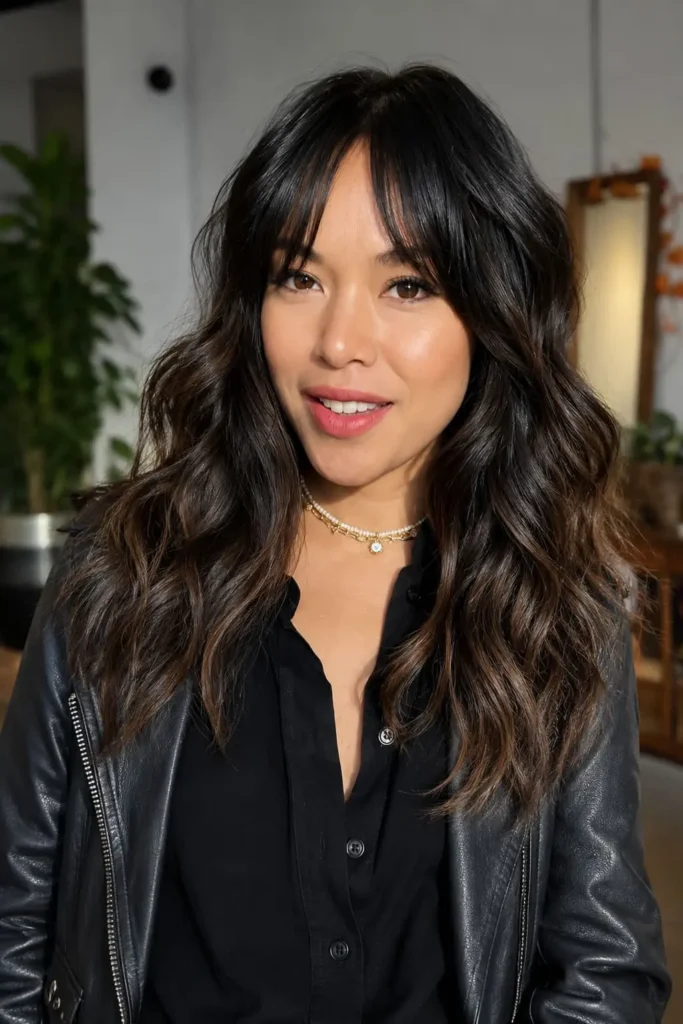
Clients arrive requesting a wolf cut; I redirect them to the modern shag because thick hair carries weight where nobody wants it. Slicing choppy layered lengths around the crown buys manageability, and the undone style keeps every bit of that attitude intact. Stylist Cherin Choi prefers a shaggy curtain fringe to blunt face-framing bangs — an ideal blend of long layers and shorter pieces. Thinning the ends gives a feathery look, enhancing natural texture at any length; the classic shag reads subdued, an artfully undone style.
2. Butterfly Haircut
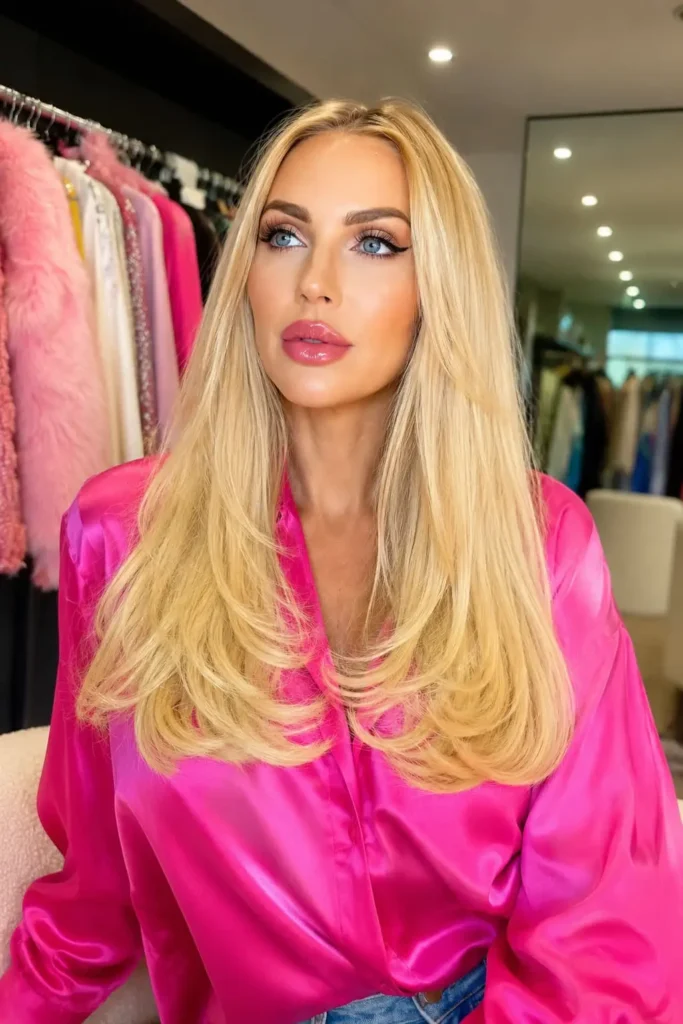
Ask any hairstylist which cut became the breakout star of the layered world, and the butterfly cut wins. Jenna Spino named it for how two tiers fan out like a butterfly’s wing: short layers hugging the chin, longer layers grazing the shoulders. Fine hair gains volume without losing length. If you’re considering going shorter altogether, see our wavy bob haircuts guide for a full range of textured bob options.
Here’s what most styling guides skip: the butterfly haircut demands work. A round blow-dry at the crown creates that signature lift; the bottom stays smooth. Shorter layers must be blended, never stacked, or soft framing turns choppy. Most face shapes suit it, and I’ve watched clients emulate a short-hair feel while the layers below the face keep their style.
3. Face-Framing Layers
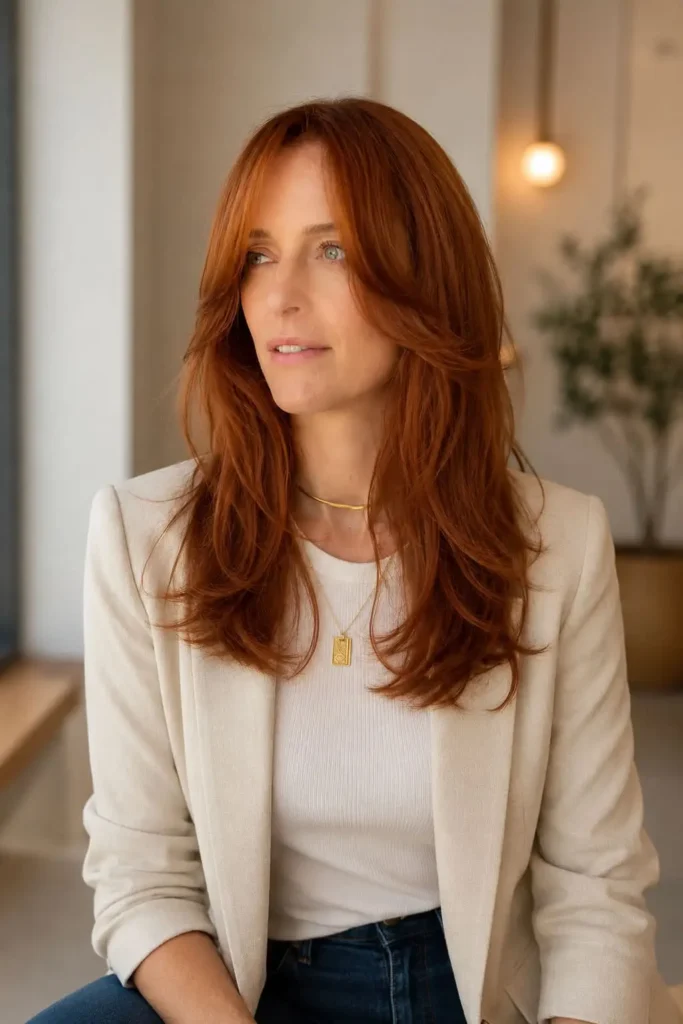
Stylists like Saviano and Dunning rarely start at the bottom. Face-framing layers sit near the cheekbones, so long locks gain movement without losing length — the illusion of a short hairstyle minus the commitment. Finer hair borrows body here; heavy density loses heaviness where it matters. Skip bangs if regrowth annoys you — soft layers around the jaw style faster, and the hair finally moves the way you wanted.
4. Long layers with face framing strands
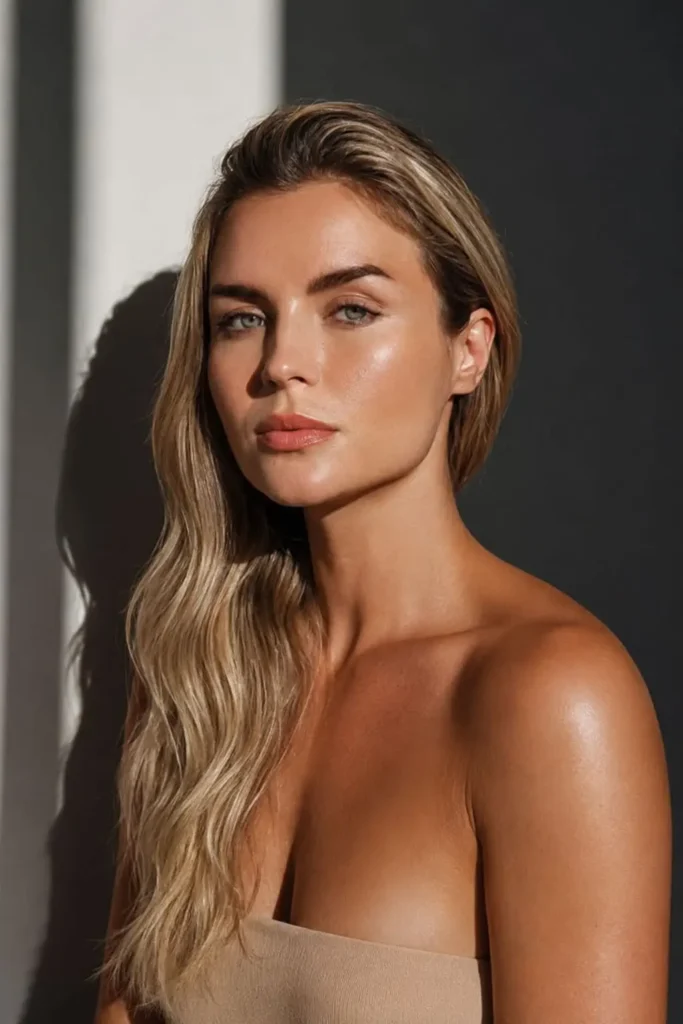
Salon clients ask me for dimension first, never thickness control. Yet a smart cut does both: cascading layers reduce bulk while face-framing sections stay soft, keeping movement without sacrificing hair’s length. Frizz-prone textures fool people. Mine air-dries better since layering. A repairing hair oil through smooth ends preserves the shape, helps maintain shine, and delivers that low-maintenance look stylists quietly rely on.
5. Hippie layers
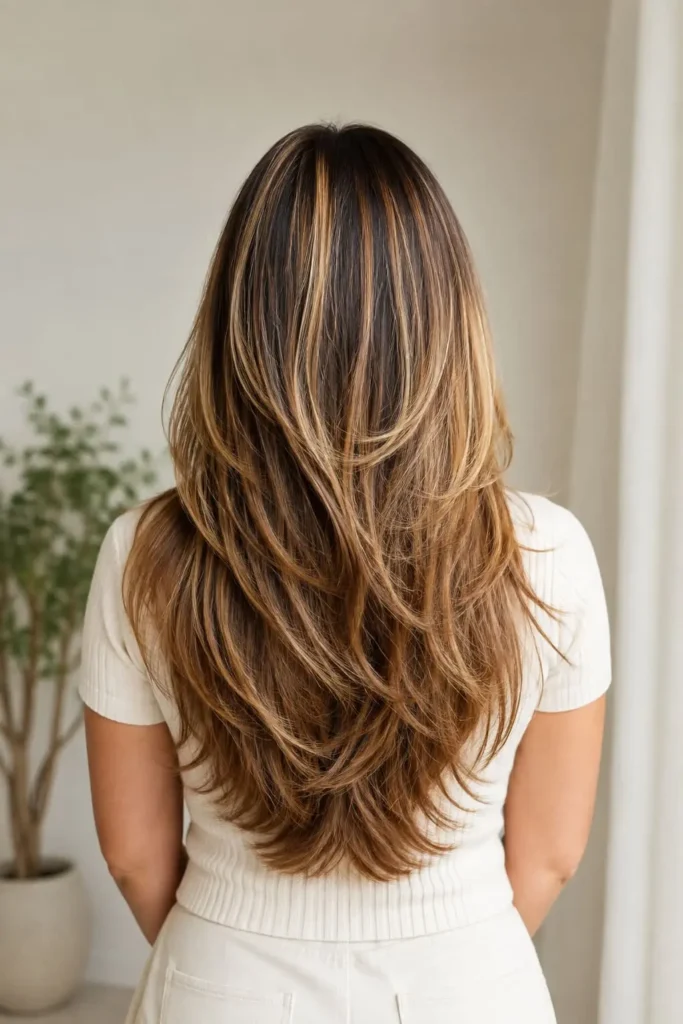
Hippie layers never asked permission from the 70s. They lifted its boho softness and modernised it. On naturally wavy hair, what I notice is that subtle layering through the mid-lengths creates more movement than aggressive cutting ever managed on that hair type. Straighter textures need coaxing: a boost at the root from volumising hair products, then a heated rounded brush turning the ends under for extra oomph. Soft layers give long hair that flowy, lived-in feel without sacrificing length the style reads effortless.
6. Waterfall layers
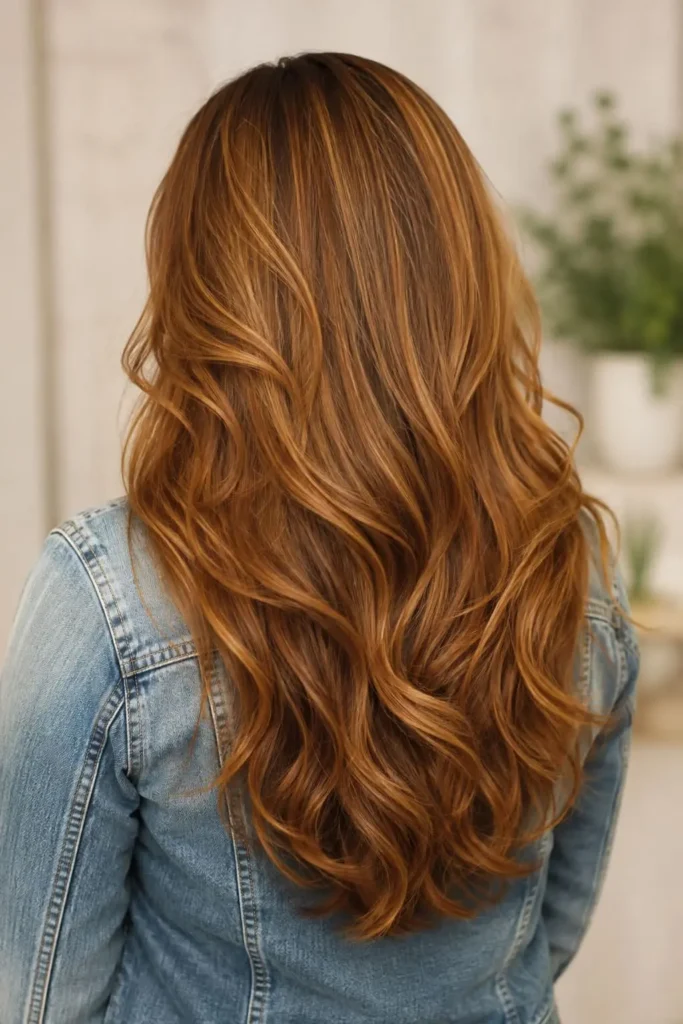
Most salons oversell waterfall layers as decoration. Practically, they solve weight: heavy density gets thinned mid-shaft, so long hair stops sitting flat and starts moving with real fluidity instead of bulk. Cut from the crown down, the layers cascade in a gentle fall, mimicking water over stone. Soft waves stay defined here; tighter curls read elegant only when the shortest pieces graze the jaw.
7. Classic Bangs
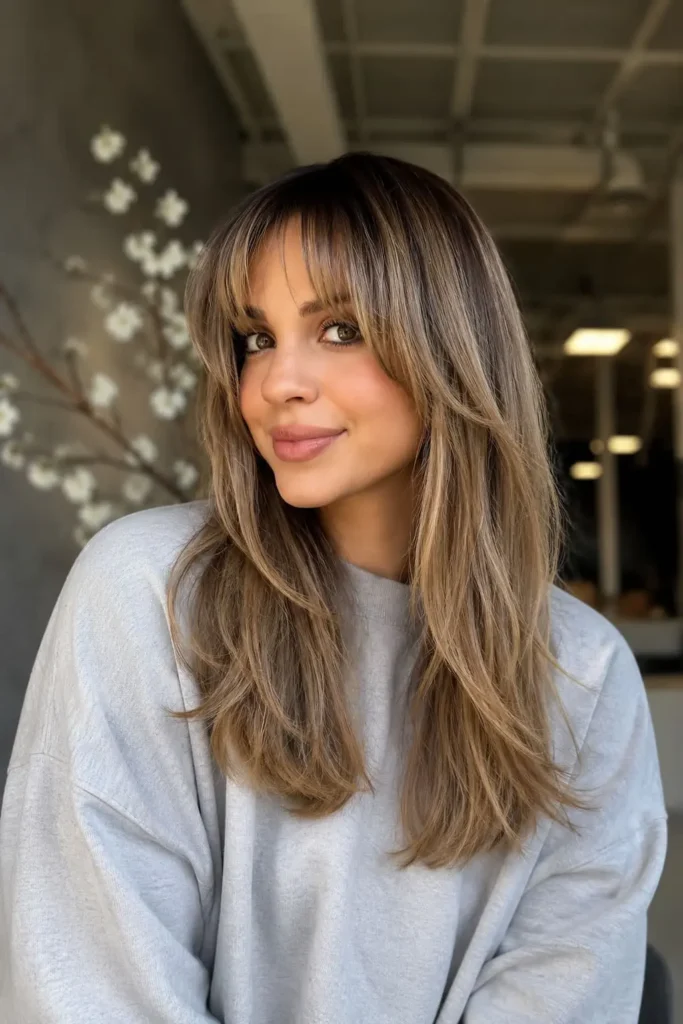
In my chair, bangs always demand constant maintenance, but I’ve watched trends loop back around: let them grow out into longer face-framing layers, and that fringed look reads classic rather than dated.
8. Long Layers
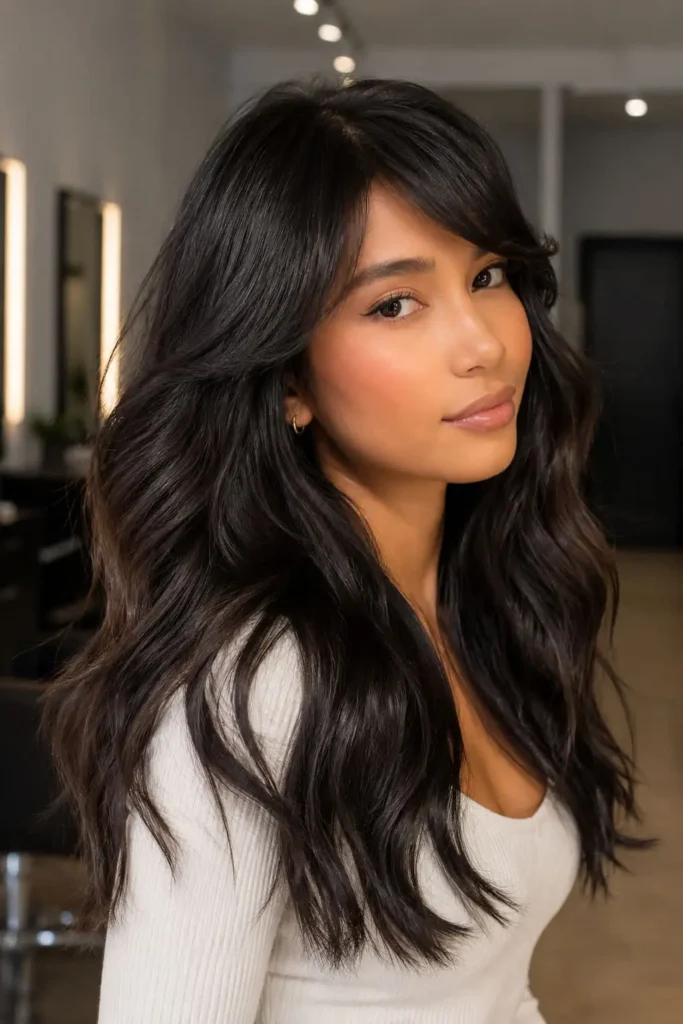
Clients with bulky hair often fear layers, yet long lengths stay intact — removing excess weight simply lets movement return. Cut right, long layers break up density and read fuller, voluminous, never thinned. This same principle works across genders — see our haircuts for men’s long hair guide for how barbers apply layering to men’s long styles.
9. Short Bangs and Long Layers
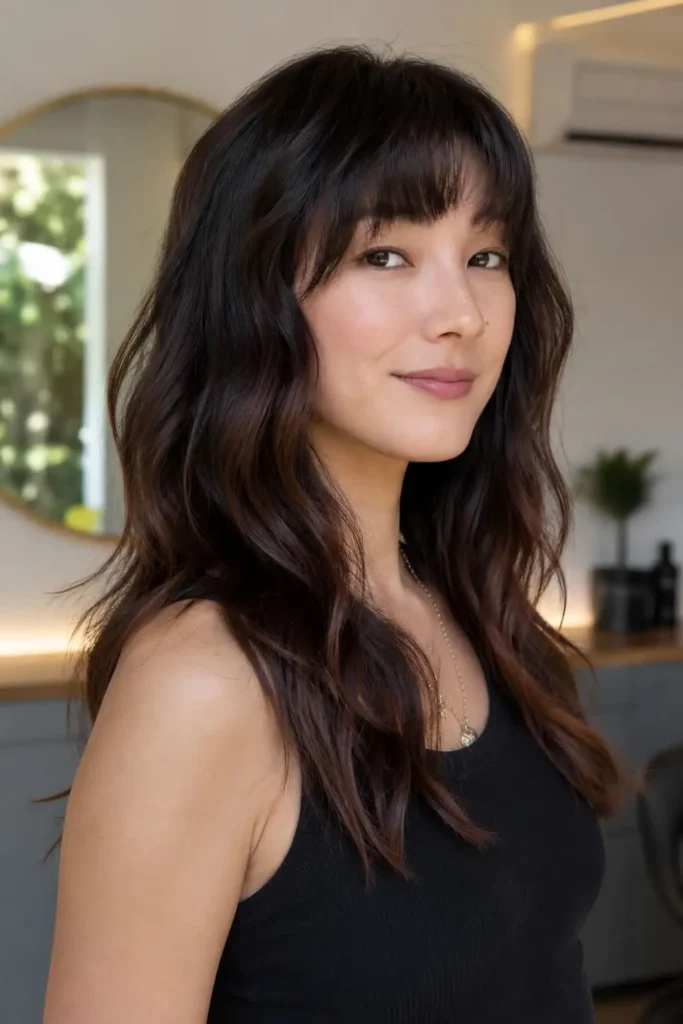
Clients dread short bangs, yet against longer layers the crop reads deliberate — baby bangs sit high on the brow while weight beneath keeps movement alive.
10. Highlighted Layers
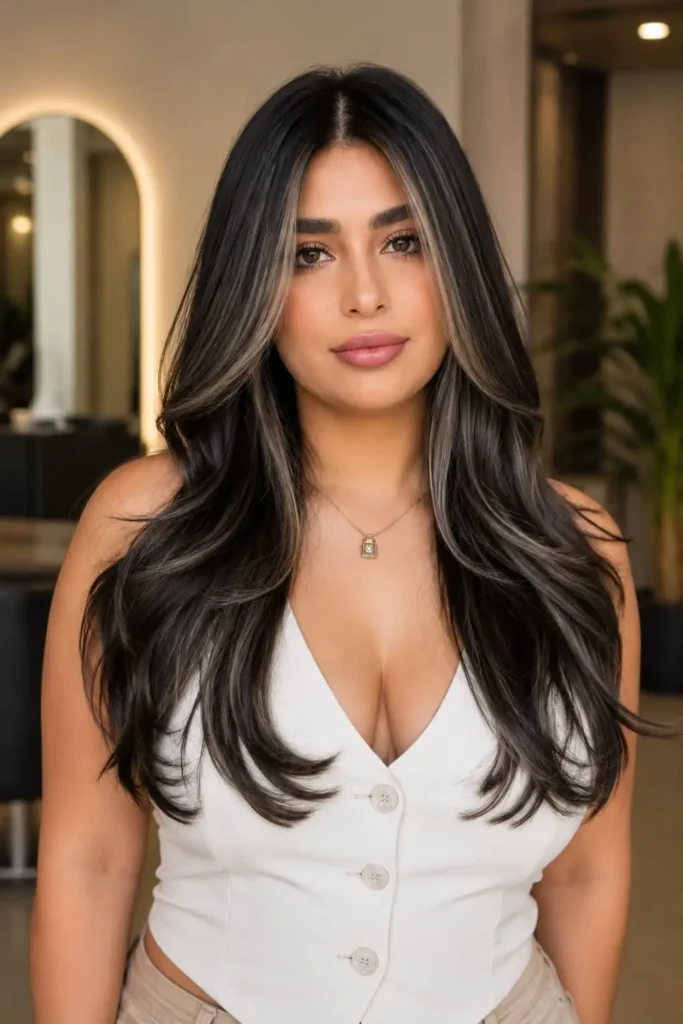
Colorists rarely admit this: on dark hair, placement beats pigment. I’ve watched lighter highlights threaded through longer layers do the brightening work, showcasing every bend of movement, turning one fresh new look into an entire look shift — no highlights near the roots required.
11. Classic Shag
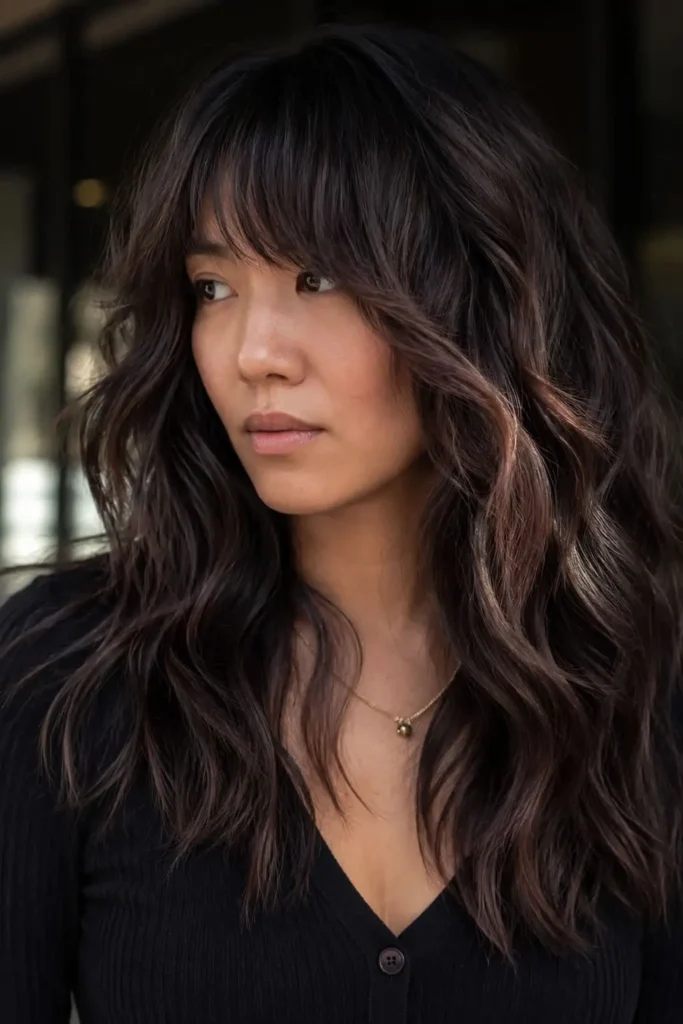
Stylists who trained on original shags know the 60s silhouette was rougher than its 70s cousin. My clients feel a twinge of nostalgia here. Pair choppy layers with mocha mousse depth, scatter violet highlights, and the color reads as homage, not costume.
12. Long Curly Layers
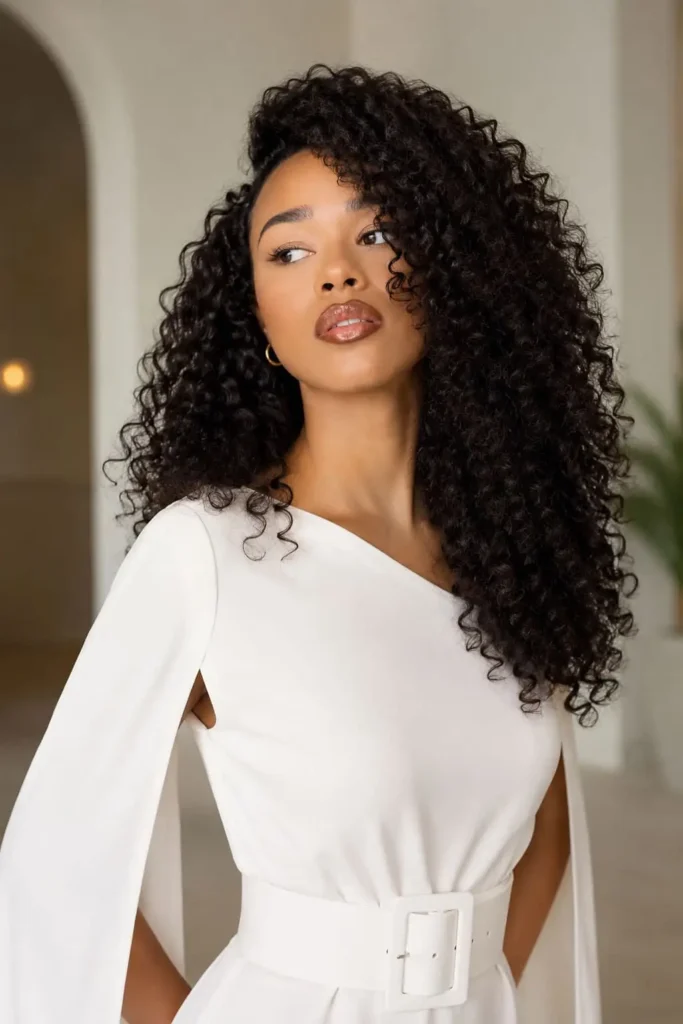
A deep side part does more for curls than most stylists admit — it lifts the roots, so long layers actually move freely, adding bounce where weight normally flattens volume.
13. Flippy Layers
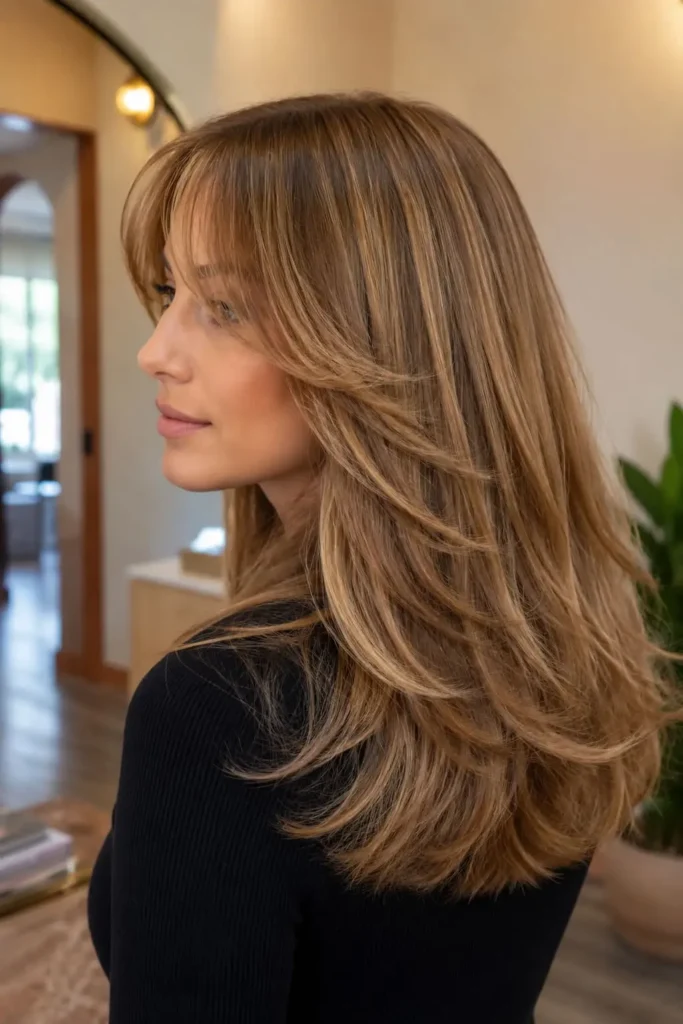
Most clients assume a wind-swept layered look demands a salon-quality blowout, yet flippy layers are lazier than that. At home, I flick ends outward with a blow dryer, occasionally a curling iron, and the bounce arrives on its own — instant volume, barely styled at all.
14. Sideswept Long Cut
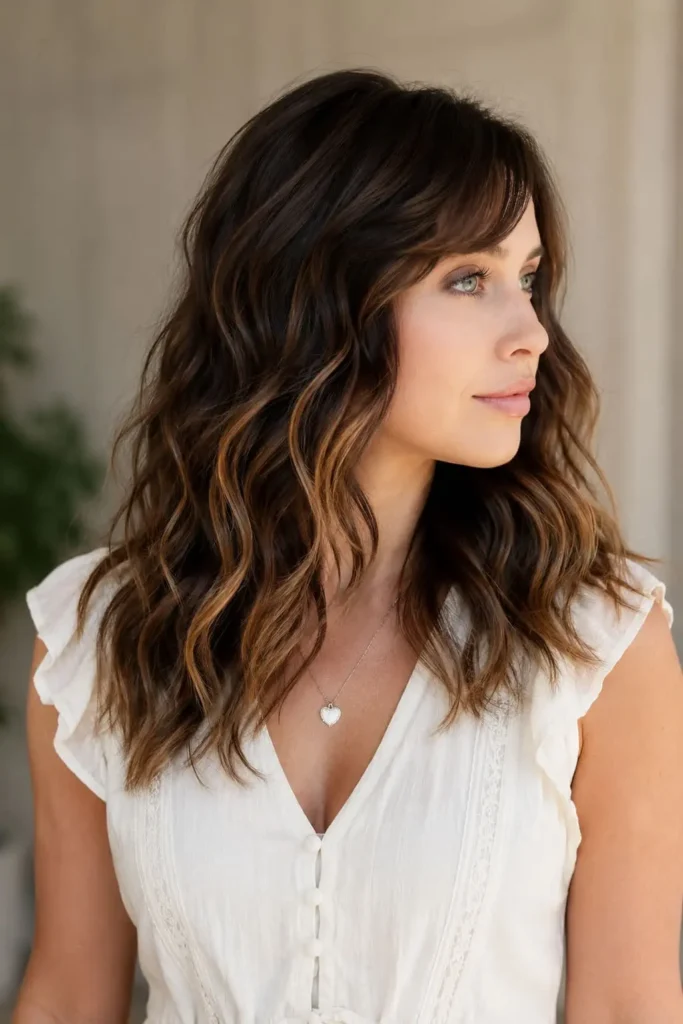
Clients with a side fringe swear this layered cut reads sharper as it grows out, while subtle balayage highlights hold that carefree look between color maintenance appointments.
15. Chin-Grazing Layers
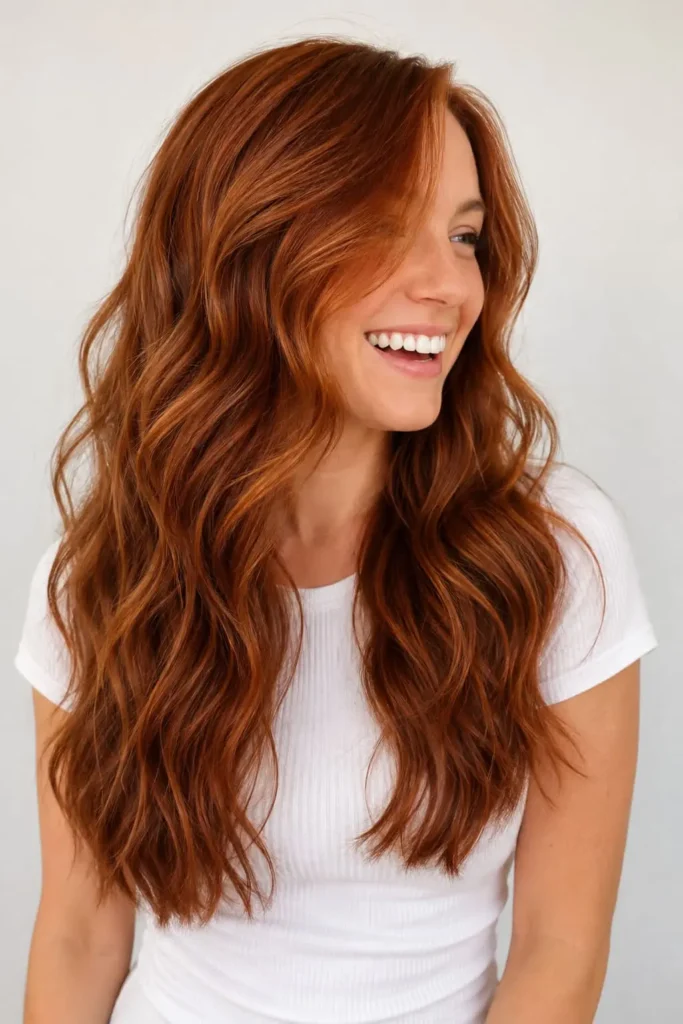
Clients wanting to change up length without commitment get shorter layers that frame the face at the jaw. Skip full bangs; chin-length bangs blend into the style and still pull back cleanly.
16. Face-Framing Layers with Curtain Bangs
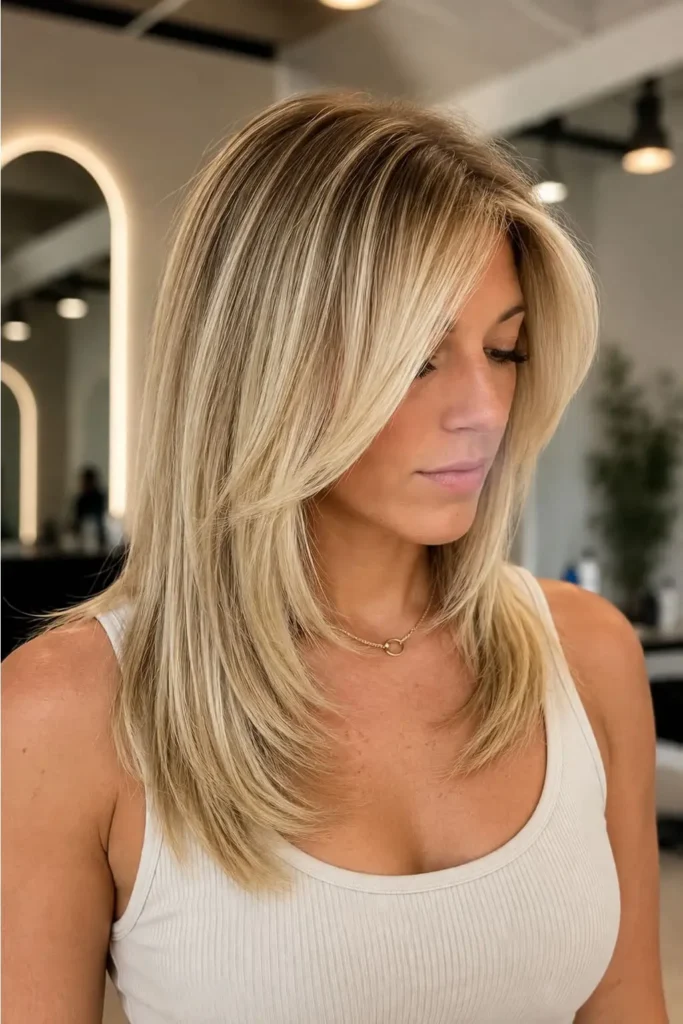
Years behind the chair taught me these read best slightly overgrown, not freshly trimmed. Curtain bangs parted off-centre, split bangs that frame the face without shortening it, layers cut to blend shorter top sections into surrounding hair, and feathered ends let you change up the whole look — a long hairstyle genuinely wearable every day.
17. Curtain Bangs
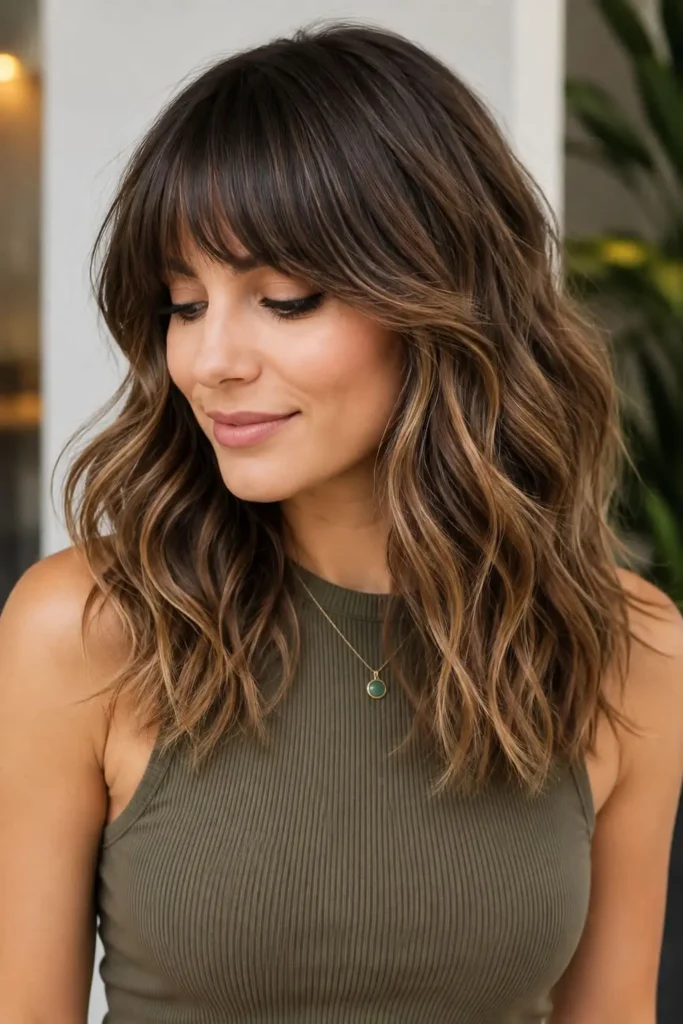
Curtain bangs won over my most stubborn clients — softer than a market flooded with blunt fringes, arguably the coolest fringe going, and they quietly rebuilt confidence mid-consultation.
18. Blunt Bangs with Long Layers
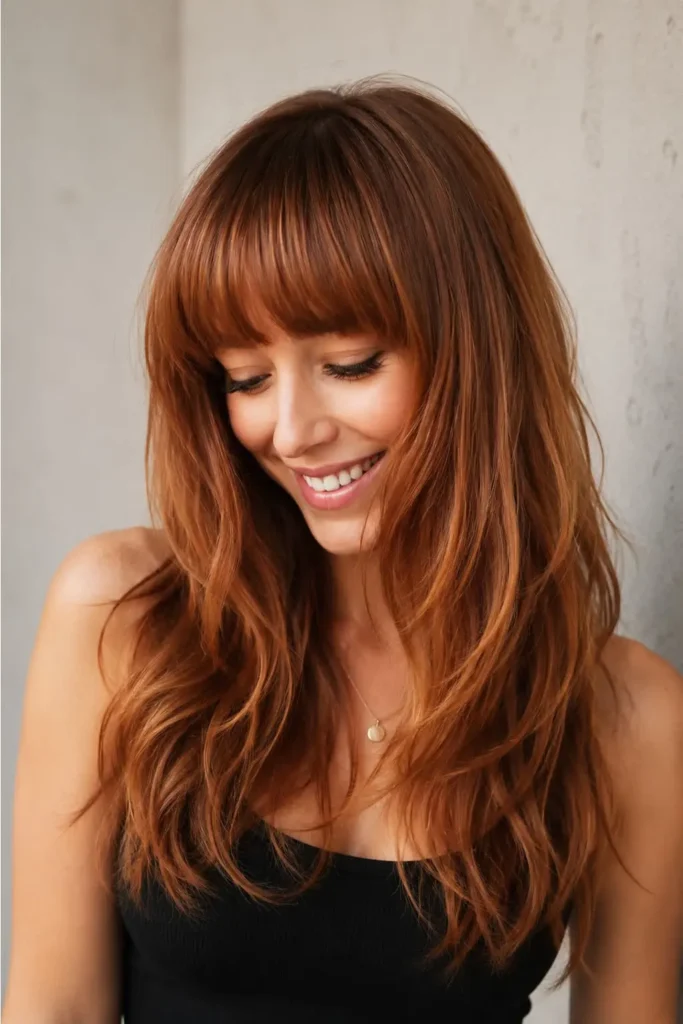
Salon myth worth killing: blunt bangs demand daily fuss. Paired with long layers, they actually become a low-maintenance look. I blow-dry the fringe inward first, never last, guiding it with a round brush. Lift at the roots matters more than the ends — flat roots ruin the whole style. Clients with natural curl should dry sections halfway, then smooth the hair straight; that patience is the winning combination.
19. Shaggy Layers
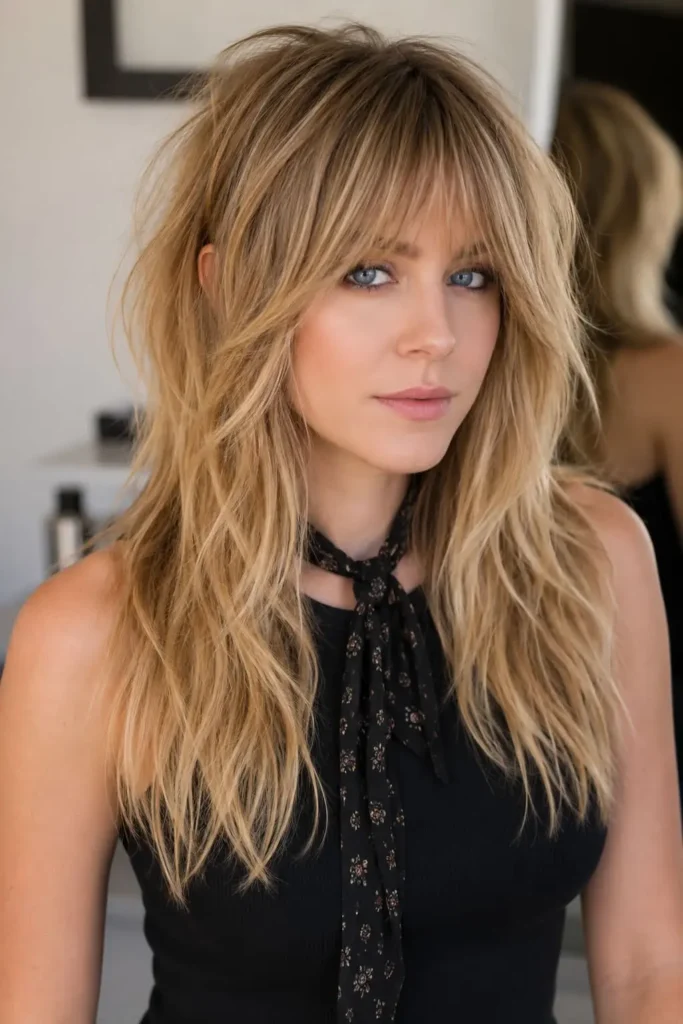
Contrary to salon assumptions, shaggy layers aren’t reserved for short hair — on long hair they build instant volume while refusing the stiff, polished look. I’ve seen this hairstyle settle sleek at the ends within days.
20. Layered Shag
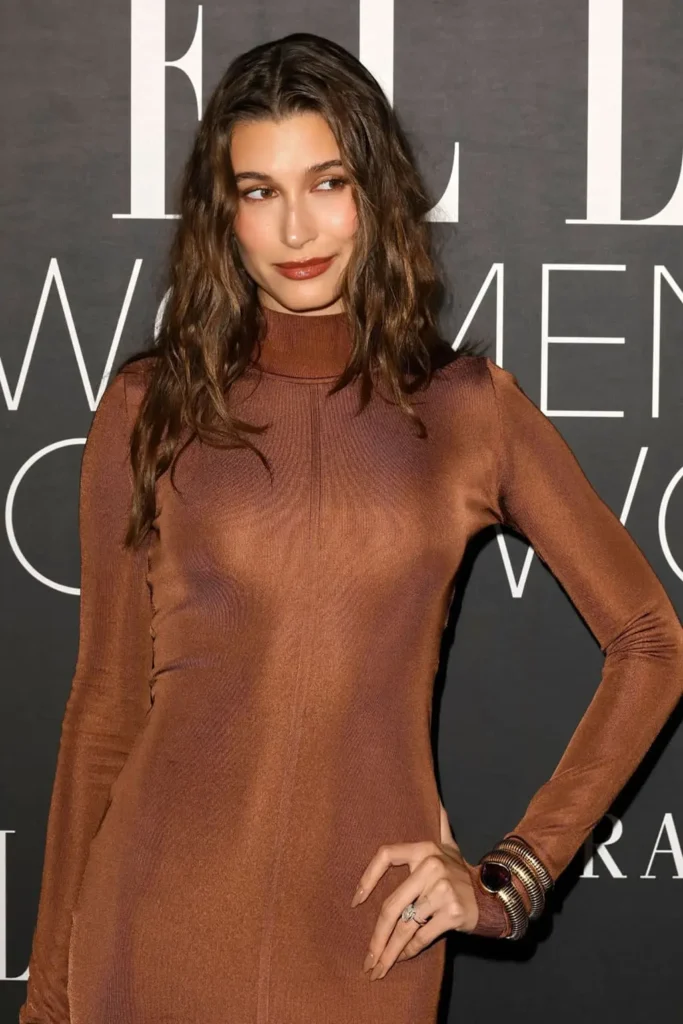
Most shags fail because they’re cut too precisely. London hairstylist Ky Wilson argues the opposite: freehand placement of layers, scissors moving without a plan, is what gives long hair genuine texture. I’ve watched clients panic while growing out a bad chop; a decent stylist will lean into that awkwardness instead. The deliberately undone shape, air-dried to a natural finish, reads healthy without daily styling.
21. Breezy Waves
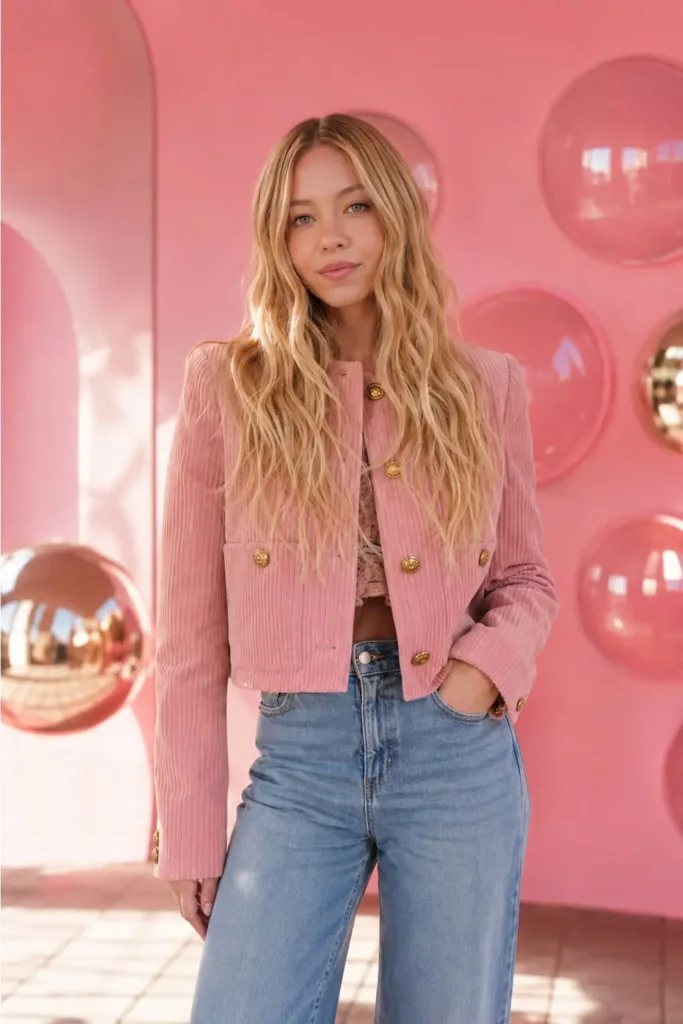
Alex Brown, a Chicago hairstylist, told me breeziness actually starts below the chin, never at the crown. I’ve watched this stylist cut long layers shallow, soften them with face-framing layers, then tuck two baby braids behind one ear. The movement reads accidental; natural-looking waves simply drape the face. If you want quick, no-fuss ways to style this same wavy texture day-to-day, check out our easy hairstyles for long hair guide.
22. Textured Waves
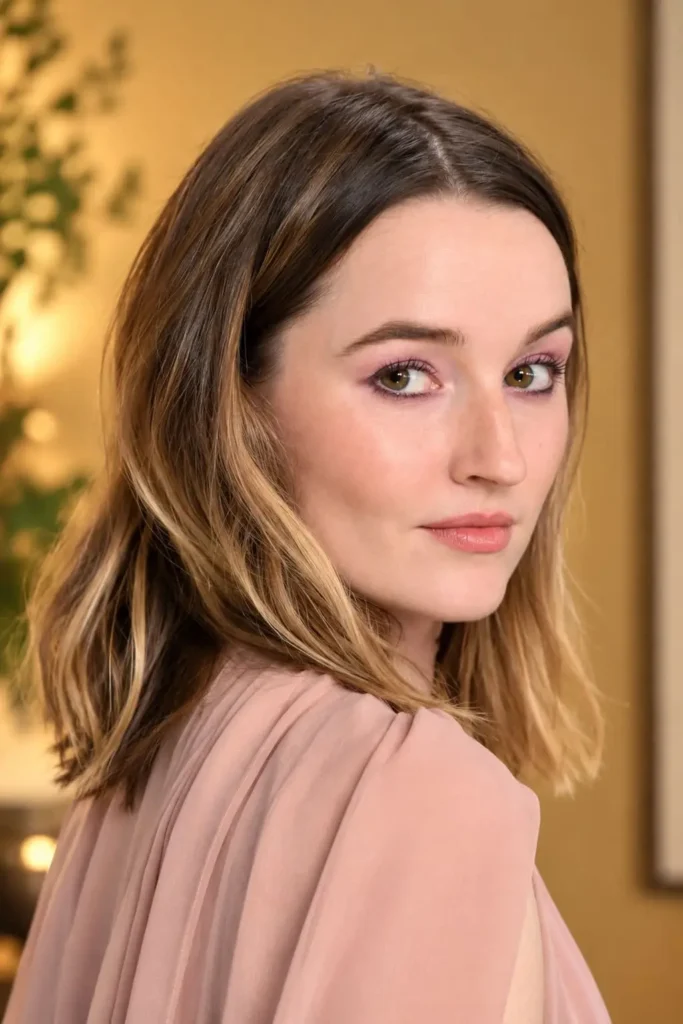
Most clients chase XXL mermaid waves before earning the natural volume that supports them. I build superlong layers first, then texturizing spray does the rest lived-in wavy hair never arrives fully polished. Rossano Ferretti proved a celebrity hairstylist earns trust through restraint. That undone look reads romantic, dreamy, faintly ethereal, yet textured waves demand deliberate cutting. Nobody mentions that effortlessly chic style is quietly engineered.
23. Fairy Cut
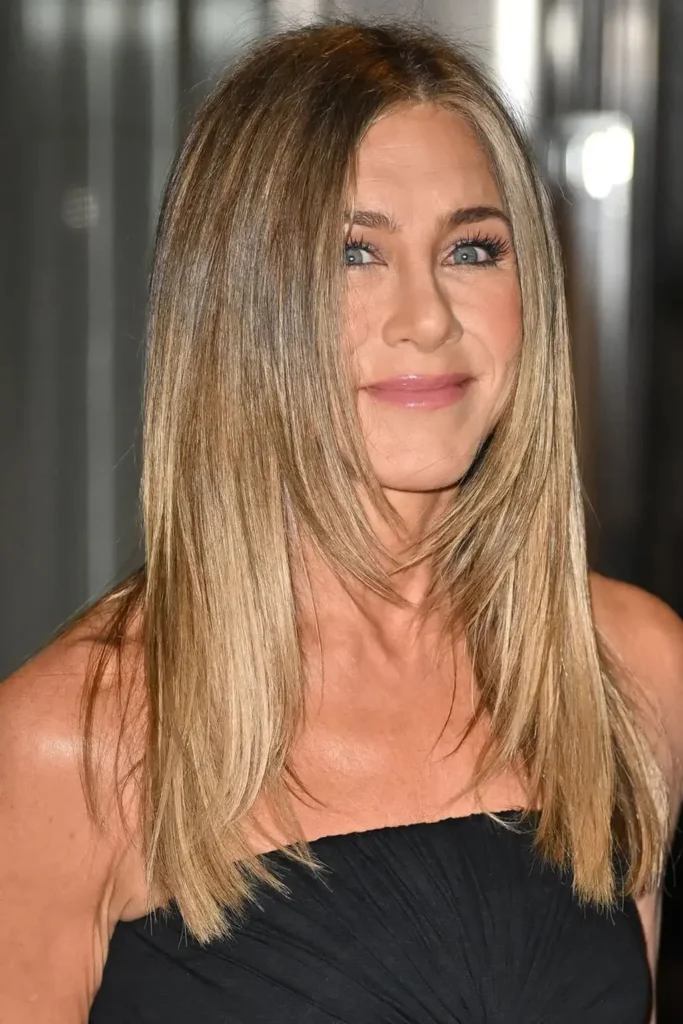
I’ve cut this on clients chasing movement, not shortness. Celebrity hairstylist Marc Mena’s take leans on airy midlength layers that frame the face; add a face-framing fringe, keep interior layers blunt, and the midlength result stays versatile — fringe pinned back anytime.
24. The (New) Rachel
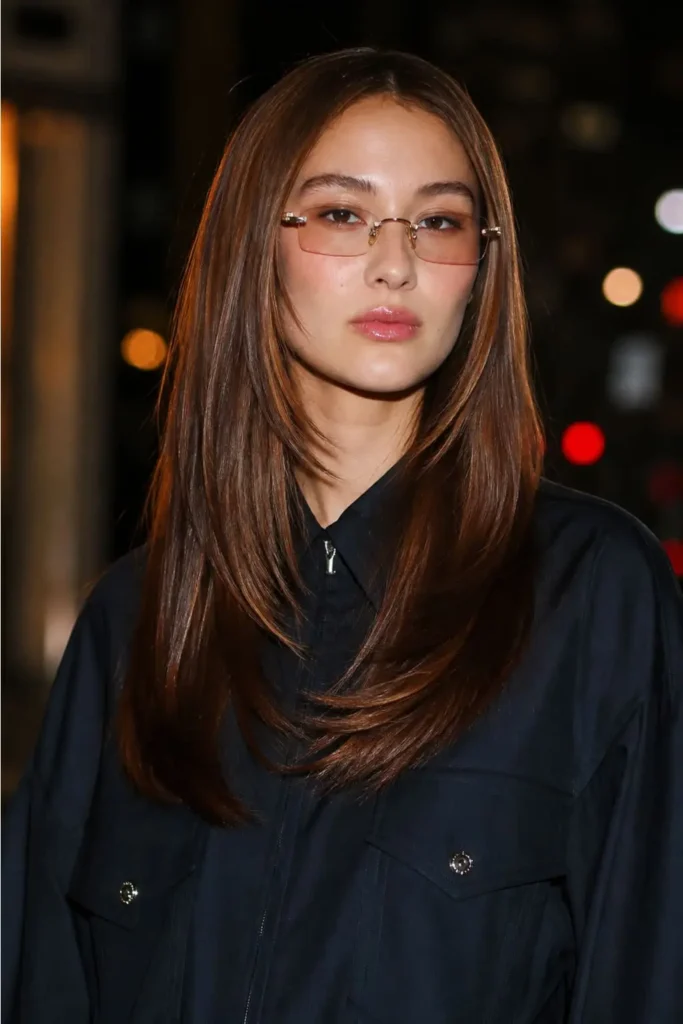
Nobody expected the 90s cut to return, yet 2026 made it wildly popular again — this update trades stiff flipped out ends for softer waterfall layers. I keep the tiered shape mid-length, coaxed with a round brush, then restyled loosely on non-wash days, which honestly lowers maintenance rather than raising it.
25. Ultra-Sleek Layers
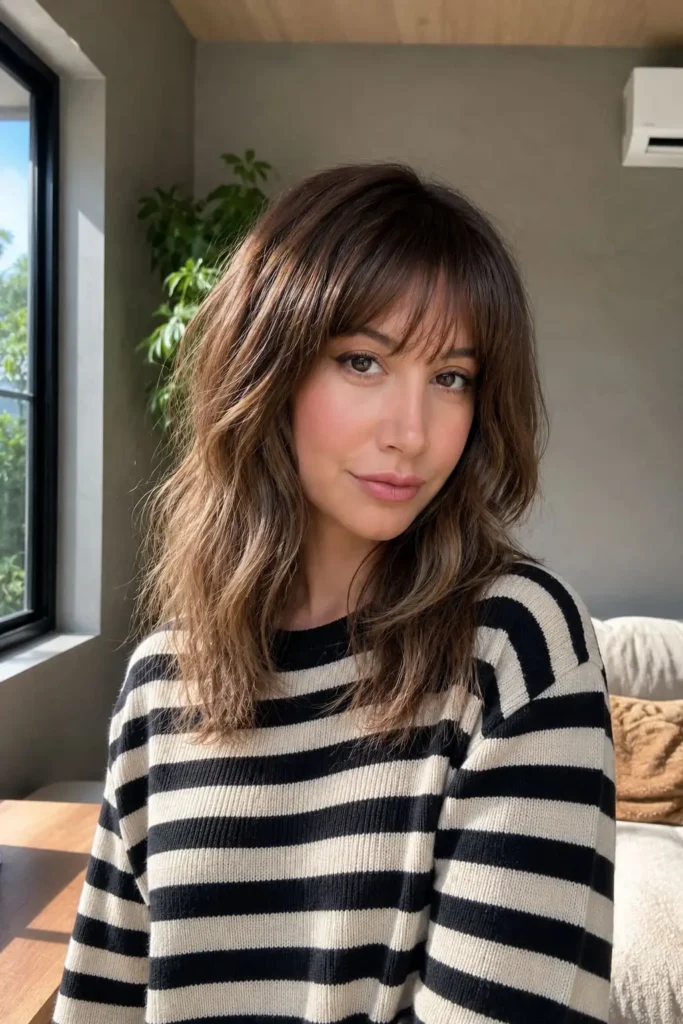
On fine hair, I lean toward subtle polish: a straight, glassy finish where shiny layers sit almost invisibly. Swishy layers cut into a midlength or long haircut give thin hair believable movement, and that restraint creates beautiful intrigue rather than obvious texture.
What’s a layered haircut?
Ask two stylists to define a layered haircut, and you’ll hear different things. Mine: hair cut at different lengths so layers sit on each other rather than flat. Shorter top layers ride above longer layers, and sliding shears through the mid-lengths deliver the dimension flat cuts never manage. Here’s what surprises clients: layered cuts don’t shorten anything. Good techniques preserve length while they build shape. Want softness? Feathered ends give soft movement. Want edge? A choppy look adds texture. Blended elevation through the crown will boost volume, which is why layered hair reads fuller — real volume, not product.
What do layers do to hair?
Ask any stylist what layers actually do, and you’ll get three things: weight gets removed, movement appears, and hair finally holds a shape. On thick hair, I reduce bulk so nothing sits bulky; on fine hair, those fine strands gain texture — a style shift that makes shorter layers the perfect choice there. Flat hair reads fuller once well-cut layers are tailored to your face shape, no drastic length change needed. Thinning hair gets lighter, softer ends; natural curls stop looking like a swamp and turn defined. That’s the potential of layered cuts — touchable volume, real thickness, a fresh, versatile, modern look.
What are the pros and cons of layered cuts?
Start with the cons: in humid climates, shorter layers accentuate frizz, and growing out layers demands real patience. Regular trims to maintain shape become non-negotiable, adding styling time most salon chairs never mention. The pros land differently per person: on fine hair, layered cuts deliver dimension and texture that blunt ends flatten. Cutting to your face shape enhances volume, adds movement, and stays endlessly customisable as growth shifts.
How do I choose the right layered haircut?
Honestly, personal preference outranks trends every time. I start with length, then decide whether face-framing layers or all-over layers fit the daily routine. A side-part softens asymmetrical layers, bangs shift focus upward, and babylights make any layering style feel versatile without cutting extra layers.
Which layer cut is best for long hair?
Honestly, V-cut layers win most often. They let shorter pieces frame the front while longer pieces graduate down the back, giving long hair a soft transition rather than blunt, disconnected shelves.
How often should you cut layered hair?
Skip the calendar math — my clients keep beautiful hair by watching for a choppy appearance, then booking a trim. Most layers hold shape for about six weeks; coarser textures stretch to six to eight weeks before you trim layers to maintain healthy hair.
One Comment