
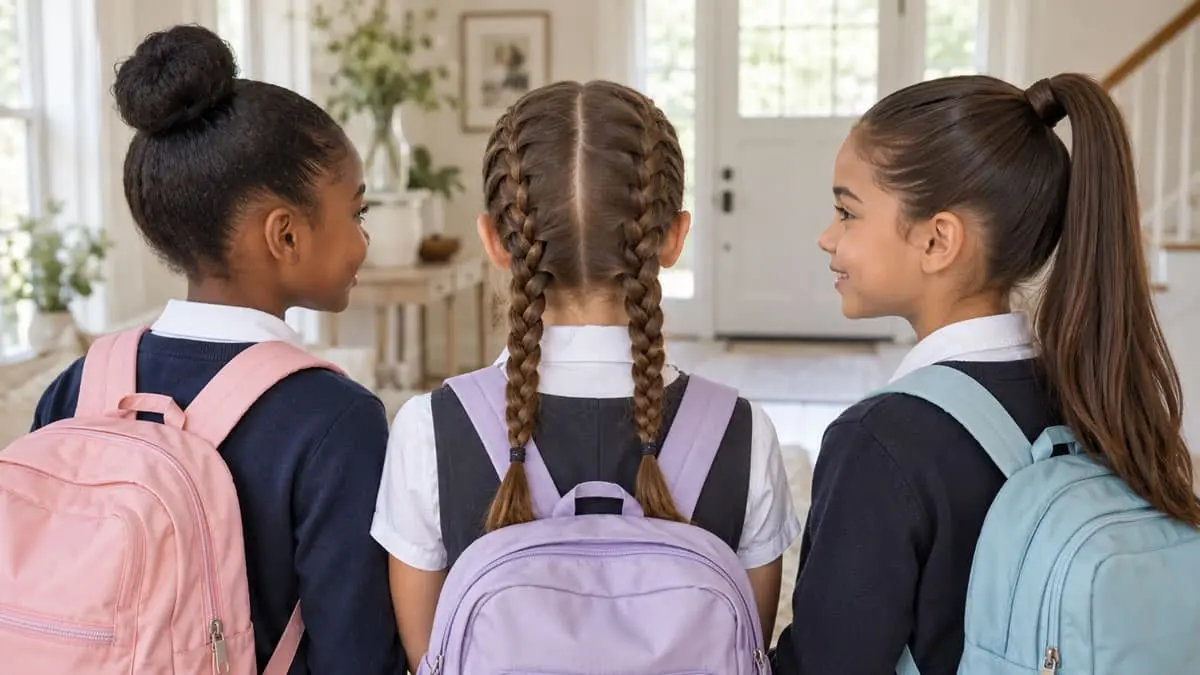
10 Lice Prevention Hairstyles That Actually Work
Head lice spread almost entirely through close contact — specifically, hair touching hair during hugs, shared desks, and crowded playgrounds. A fertile female louse doesn’t fly or hop; it can only crawl and grab onto flowing hair that brushes against another child’s. That single fact is why the right Lice Prevention Hairstyles matter more than any spray or shampoo.
School-age kids are especially vulnerable because classrooms put dozens of heads in close contact for hours. Lice need direct head-to-head contact to transfer — loose hair and flyaway strands give them the surface area and opportunity to take hold before home time. A secure style with minimal loose strands removes that opening almost entirely.
The general rule is simple: keep hair tied up and close to the head, since short hair and neatly secured styles leave lice out of sight and out of reach. It won’t guarantee a new infestation is inevitable — but a tightest-hold style is still the ideal defense, and one of the simplest steps any parent can take before the busy morning school gate rush.
10 Best Lice-Prevention Hairstyles That Actually Work
1. Buns
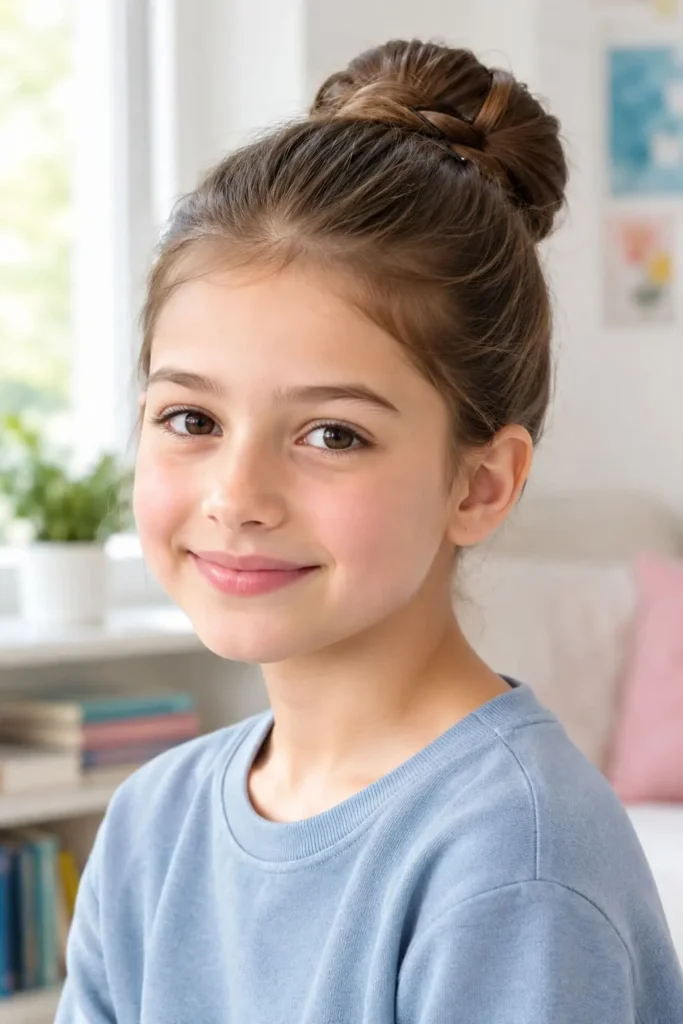
Salon reality: messy buns are not recommended during outbreaks, though they’re wildly popular. Every loose strand becomes a magnet for lice. I twist clockwise, grab the length, then anchor the base with a second hair tie — stray hairs ruin lice prevention entirely.
Bun variations matter less than tension. A neat bun that gathers hair, pulls back off the face, and secures full length beats any ponytail. Bobby pins handle repositioning; twisting and wrapping keep coiled ends beyond lice’s reach — real peace of mind.
2. Ballet Bun
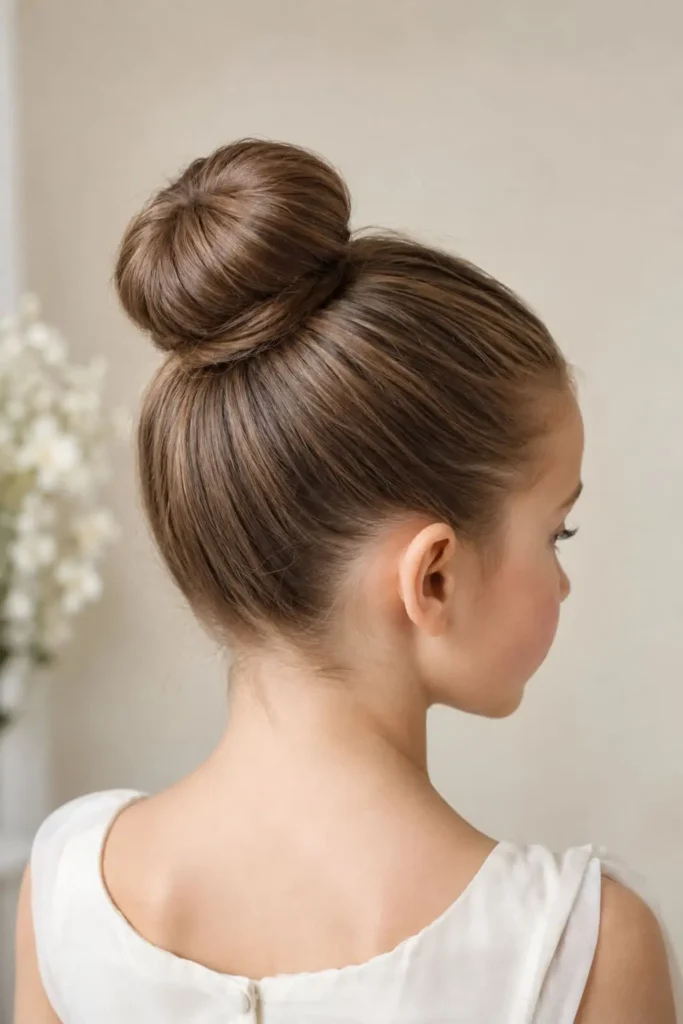
Most parents miss the point: a classic ballet bun works because it coats hair strands flat and sits against the head, leaving nothing loose to catch. I always tie hair back into a single ponytail first, then slide the doughnut down to the base.
Hair doughnuts cost little at pharmacies or high street shops. Spread the hair to cover the doughnut, wrap the remaining hair around, then secure with bobby pins for extra hold. A smooth hairspray tucks flyaways and adds grip, making the finished bun harder for lice to reach.
3. High Bun
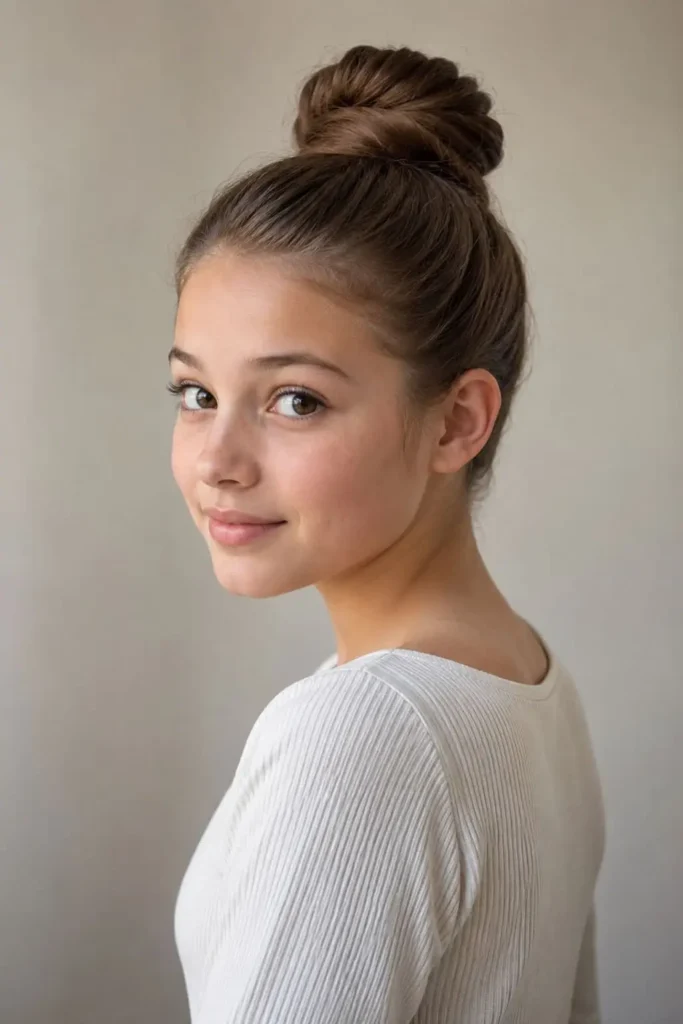
I skip the low bun during outbreaks. Sitting at the top of the head, high buns keep strands off collars and shared chair backs. Ballerina buns stay sleek and clean, flyaways tucked in — my recommended best bun option for a different look than the standard high bun.
4. Ponytails and Pigtails
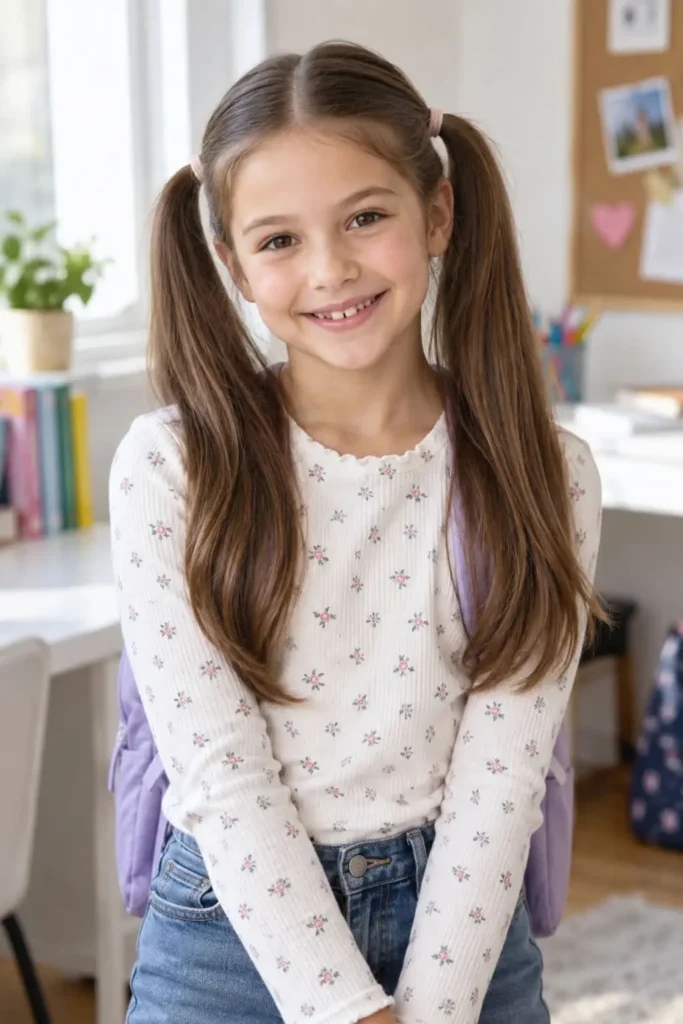
Before school, I comb my daughter’s hair with my dominant hand while my non-dominant hand steadies the strands, then gather hair into a classic ponytail. A simple hair tie, wrapped twice, keeps hair out of the face and cuts down on flyaways that invite lice to hop aboard. For more everyday styling techniques using the same braiding and bun basics, see our easy hairstyles for long hair guide.
For kids with longer hair, I braid instead of leaving a tied-back ponytail loose, then twist the band and add clips or pins to hold securely. It’s a trade-off—repeating this daily takes minutes, but tightly secured strands mean fewer chances of touching other people’s heads at recess.
5. High Ponytail
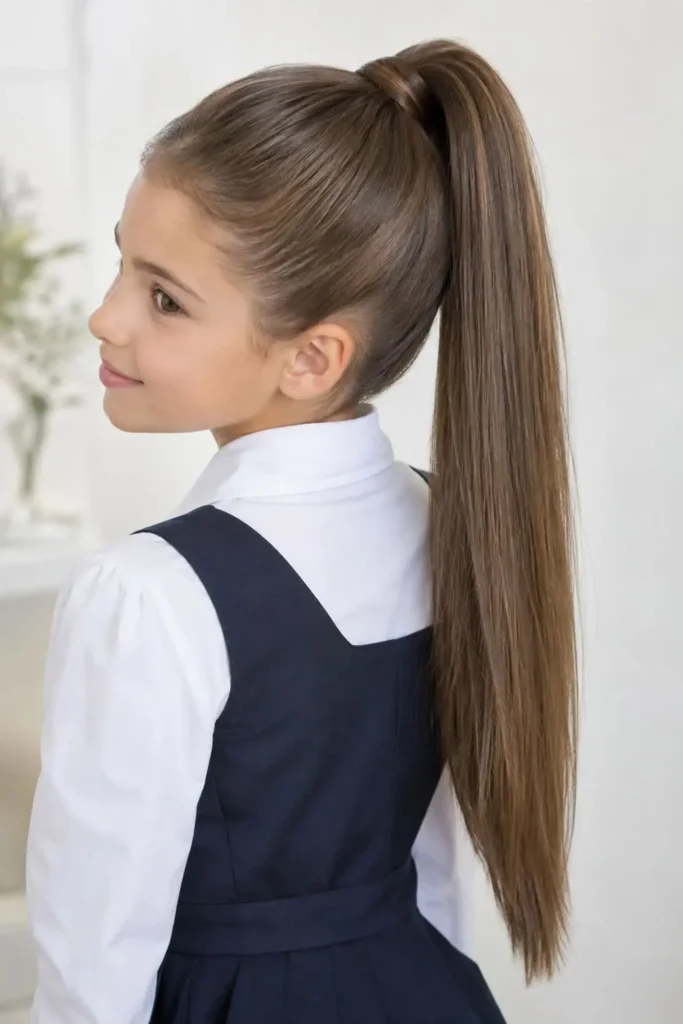
A tight ponytail sitting hair up high turns loose lengths into one stylish option lice can’t ambush. Strands stay gathered—nothing loose for eggs to grab onto, no dangling invitation for crawlers hunting a landing spot. Among the few styles ranked for defense, this remains the better version of casual hair-down habits. The goal: make scalps harder for lice, so any child can manage independently—simple, effective lice prevention without daily fuss.
6. Pigtails
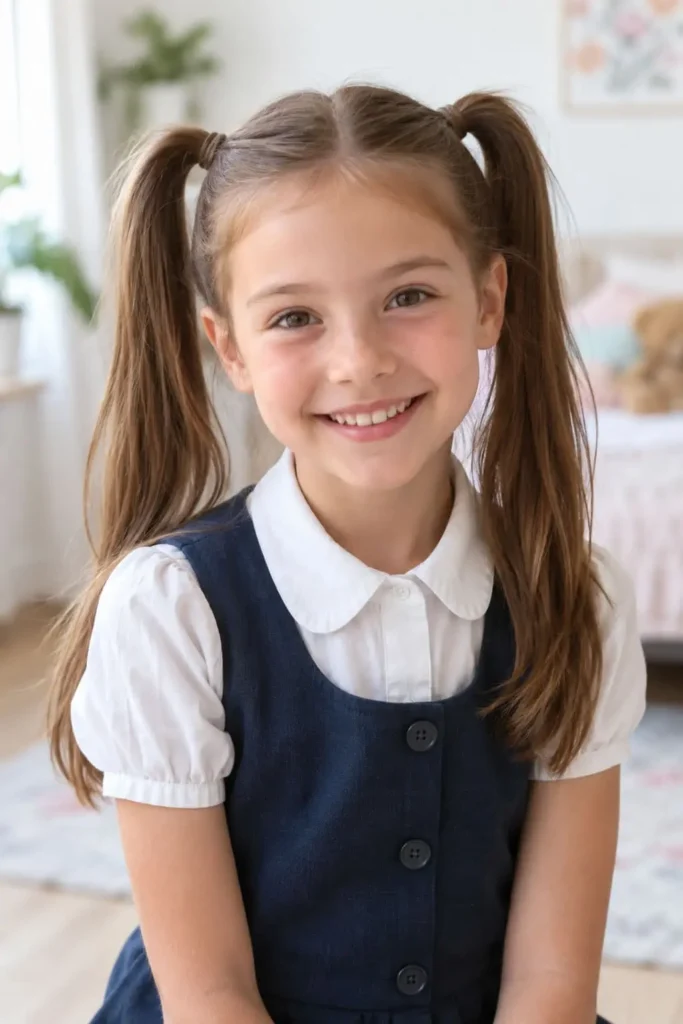
Pigtails contain the hair in two sections higher up on the head, leaving lice fewer strands to crawl across or grab on to. As a practical everyday option listed alongside ponytails, pigtail styles keep hair off the face and improve the protection kids need.
7. Braids
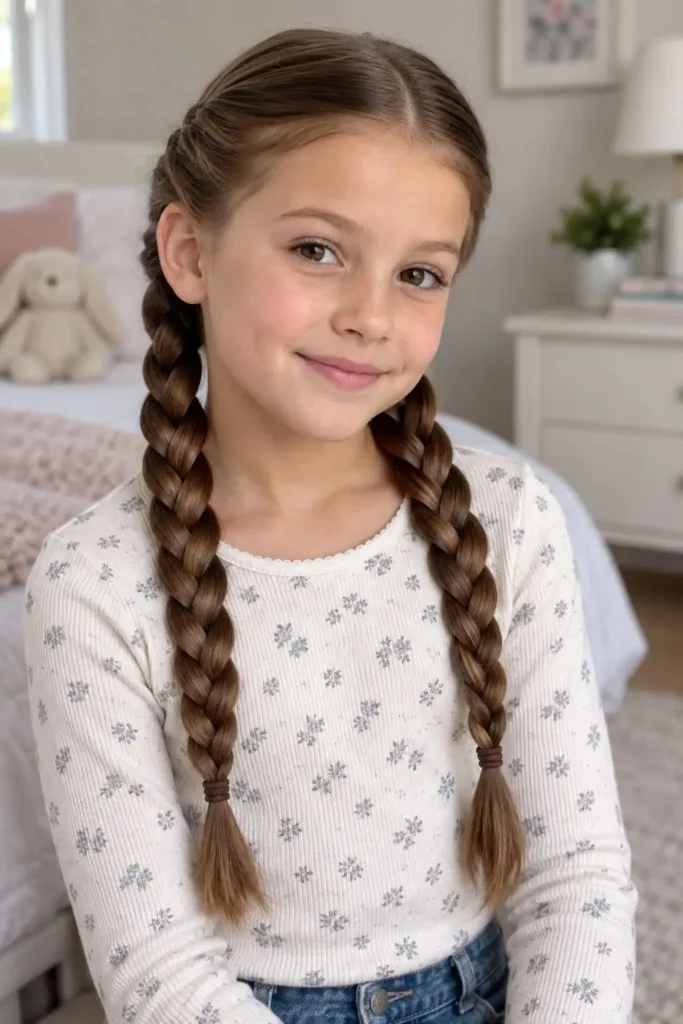
Braiding isn’t just a morning job—doing it the night before turns a rushed routine into something calmer. An evening braid on damp hair sets a tighter finish by morning, keeping strands contained and less likely to brush against a classmate’s hair at school. Every hair type responds differently: long hair holds a long braid well, while finer strands need a braid type with a neater finish to stay neatly intact.
Older children teach younger siblings the craft, and with patience anyone can master it with practice, even when it feels hard to describe. Sophisticated versions surface in video tutorials, but the best way to find the pattern is practice at home. Freshly washed, dry hair takes a pair braids style, with added protection from a mint-scented lice shampoo rinse before the morning rush; one caveat being the time involved for a friend’s hair.
8. French Braids
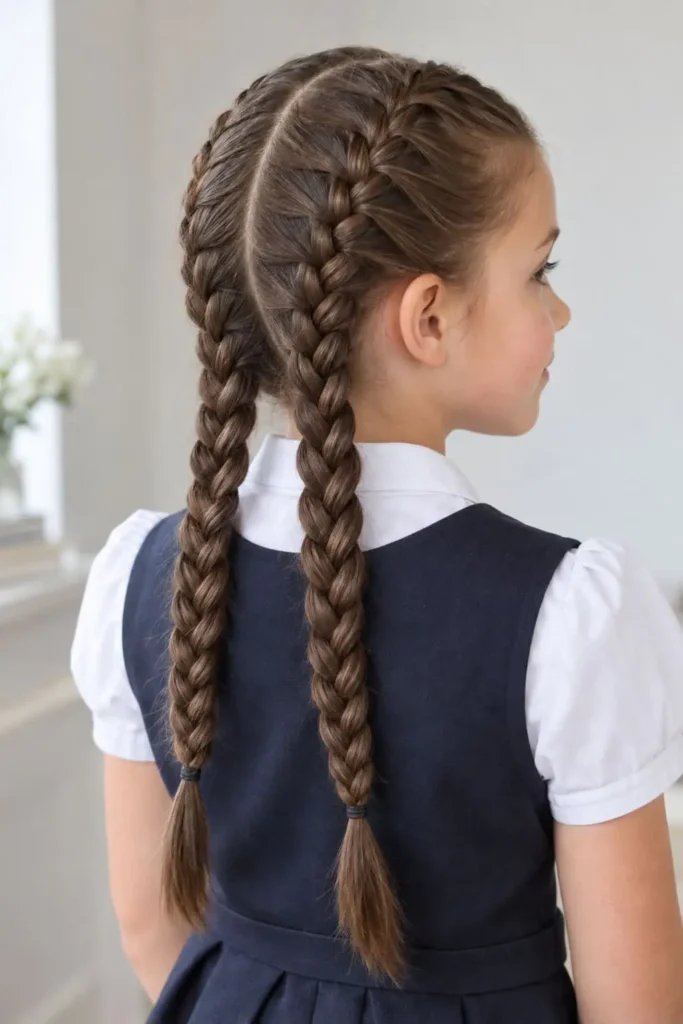
French braids feel tricky at first, but they’re worth the practice. Unlike a regular three-strand braid, this style weaves hair close to the head, creating pretty variations as you go. Keep attempting it patiently, and you’ll soon build confidence with every plait.
9. Dutch Braids / Double Dutch
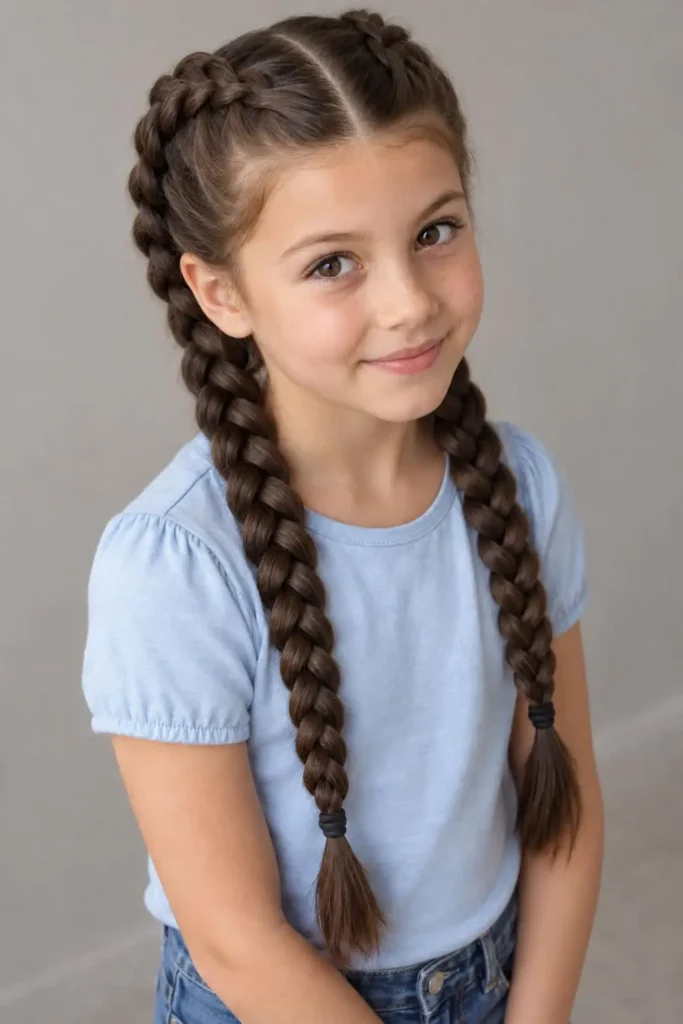
My go-to protective technique: a Dutch braid flips the French braid’s logic — crossing strands goes cross underneath instead of over the top, giving that raised look where braids sit sitting on top, not woven into hair. Adding new strands keeps the same principle, tight and lice-resistant. That’s the difference. This same tight, close-to-scalp technique is exactly what athletes rely on too — see our volleyball hairstyles for long hair guide for more secure braiding options that hold under movement.
10. Crown Braids
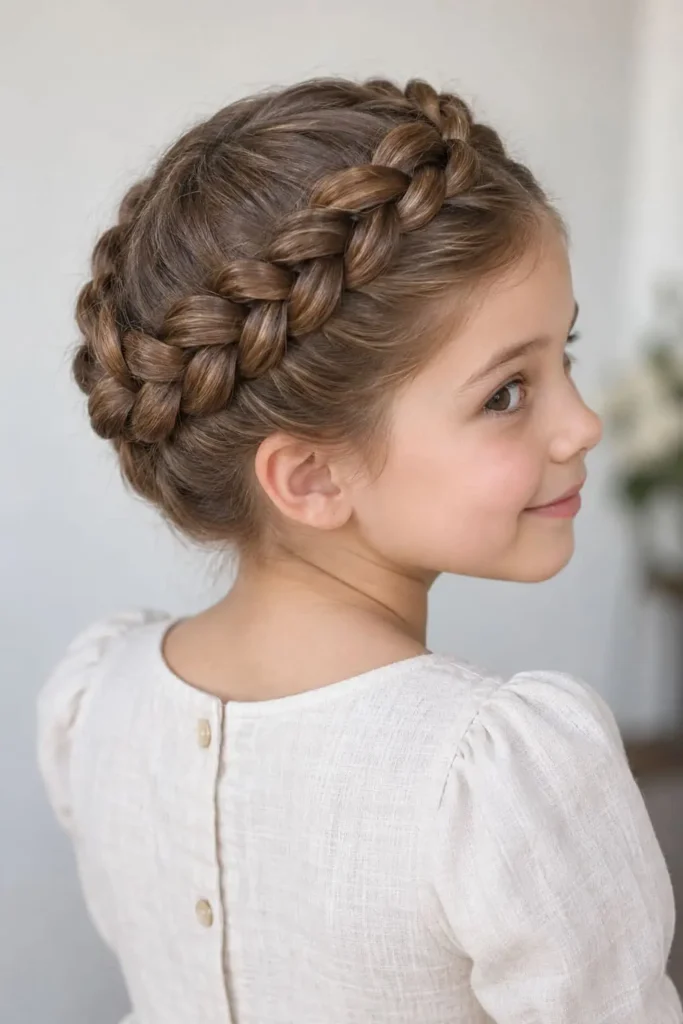
The crown braid is named for how it wraps around the head like a natural halo—arguably the best style for lice prevention since there’s no hanging length left dangling. It keeps hair up and completely out of the way, making it one example of the four braid types.
Do hairstyles really help prevent lice and nits?
Braiding your child’s hair isn’t a guarantee against an infestation, but it genuinely helps. Lice spreading happens through hair-to-hair contact, so keeping loose hair secure with hair tied back reduces the surface area children grab onto during play, which cuts the chances and avoids lice wherever styling supplies are available.
What’s the best hairstyle for lice prevention?
I’ve seen parents swear by a Dutch braid over any French braid since tighter plaiting gives lice nowhere to latch onto. A snug ballet bun worn close to the head beats anything with little loose hair hanging free — the goal is simply to hold hair tightly all day.
Can I do these hairstyles the night before school?
Yes, prepping braids the evening before genuinely saves time on rushed mornings. Damp hair holds braided patterns better overnight, and braided styles actually work well left in, delivering a neater finish with a longer-lasting finish by morning.
Does hairspray help prevent lice?
A light coating of hairspray won’t stop lice, but it does hold a style that makes braids last longer through a school day. Slicked strands grip hair strands together, making movement harder for lice to navigate.


One Comment